

Living near the coast offers breathtaking views and a unique lifestyle. However, the salty air, strong winds, and frequent storms can take a toll on your home, especially your roof. Choosing the right roofing material is crucial for long-term protection and peace of mind. So, in this guide, we’ll walk you through the key factors to consider when selecting a roof that can bravely face decades of coastal weather. Let’s start!
Understanding the Unique Challenges of Coastal Climates
Coastal environments present a trifecta of challenges for roofing materials. Firstly, saltwater corrosion is a significant concern. The salty air carries moisture and deposits salt particles on your roof. Over time, this salt can corrode certain metals and degrade other roofing materials, leading to leaks and structural damage.
Secondly, high winds and storms are common along coastlines. These can exert immense pressure on your roof, potentially lifting shingles, tiles, or even entire sections if the roof isn’t robust enough.
Lastly, intense sun exposure can also be a factor. The sun’s ultraviolet (UV) rays can degrade some roofing materials over prolonged periods, causing them to become brittle and less effective. Therefore, your choice of roofing must be resilient against these specific coastal stressors.
Opting for Asphalt and Tile as Roofing Materials for Durability
Several roofing materials offer varying degrees of resistance to coastal weather. Asphalt shingles, while a popular and relatively affordable option, may have a shorter lifespan in harsh coastal conditions.
The salt air can degrade the asphalt, and strong winds can easily lift or tear them off. Consider higher-grade architectural shingles for better wind resistance, but be mindful of their susceptibility to salt corrosion over the long term.
Tile roofing, including clay and concrete tiles, offers excellent durability against salt spray and high winds. These materials are naturally resistant to corrosion and can withstand significant wind uplift.
Their weight also contributes to their stability in storms. However, tile roofs can be more expensive to install, and some types may be susceptible to cracking in extreme temperature fluctuations, although this is less of a concern in many coastal climates.
Considering Metal Roofs for Resilience
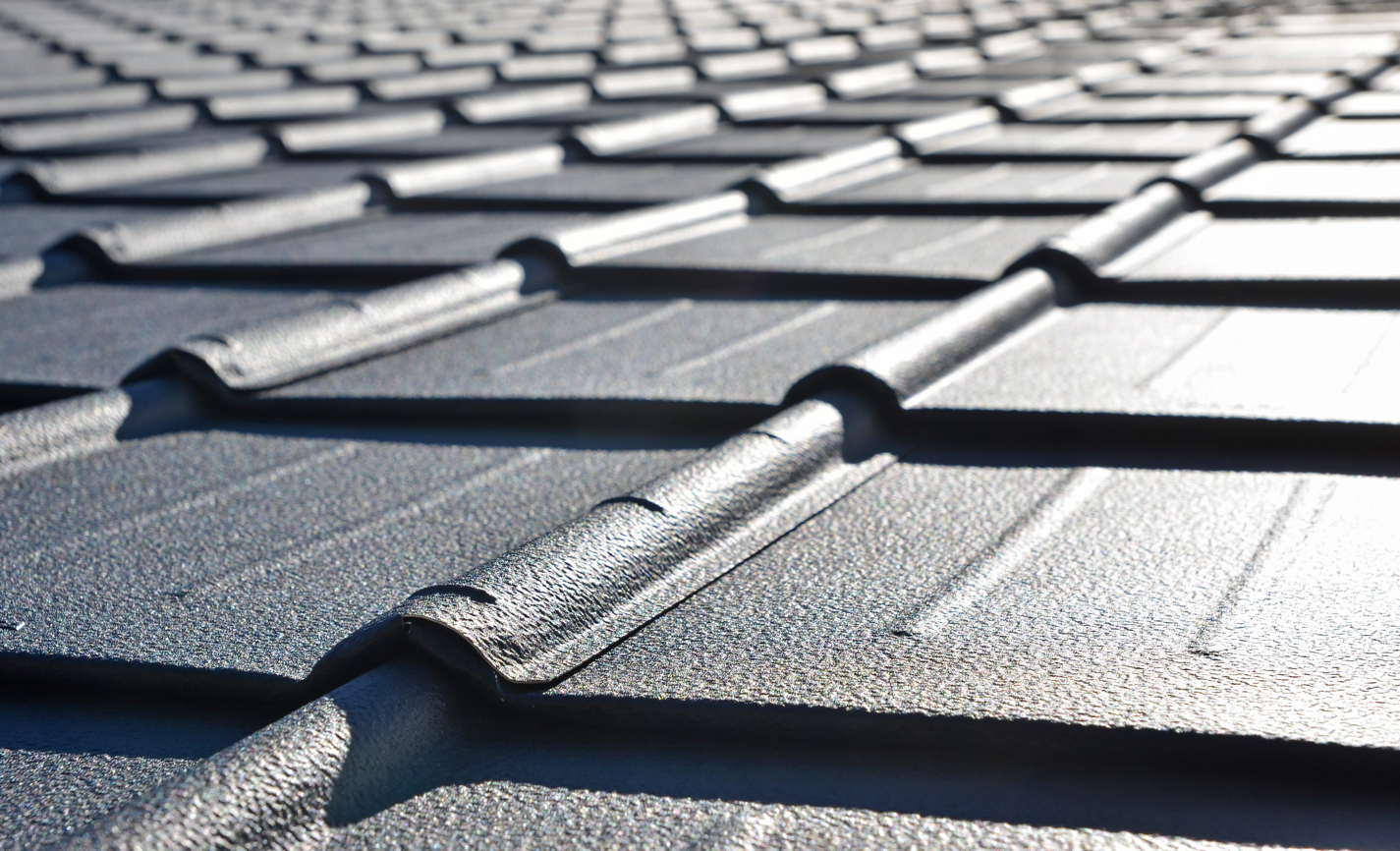
Metal roofing stands out as a particularly resilient option for coastal homes. Materials like aluminum and copper offer exceptional resistance to saltwater corrosion. Aluminum naturally forms an oxide layer that protects it from further degradation, while copper develops a protective patina over time. Metal roofs are also incredibly durable against high winds due to the way they are installed, often in large, interlocking panels.
Furthermore, they are fire-resistant and can reflect solar heat, potentially leading to energy savings. While the initial cost of a metal roof might be higher, its longevity and low maintenance can make it a cost-effective choice in the long run. When exploring this option, it’s wise to consult with metal roofing specialists, like the team at Roof’d, for installing and maintaining metal roofs in coastal environments.
They can guide you on the best type of metal and installation techniques for your specific needs. They can also advise on factors such as the best metal alloys for salt resistance, appropriate fastening methods to withstand high winds, and proper ventilation to prevent any moisture buildup.
Paying Close Attention to Proper Installation Techniques
Even the most durable roofing material will fail if not installed correctly. Proper installation is paramount, especially in coastal areas where the forces of nature are amplified. Ensure that your chosen roofing contractor follows all manufacturer specifications and local building codes.
Pay close attention to details such as proper sealing around vents and chimneys, secure fastening of roofing materials, and correct installation of underlayment and flashing. These components play a crucial role in preventing water intrusion, which can be exacerbated by frequent coastal rainfall and humidity. Investing in professional installation is a critical step in ensuring the longevity and performance of your coastal roof.
Asking Professionals for Advice and Guidance
Choosing between different roofing materials and installation techniques can be overwhelming. Don’t hesitate to seek advice from experienced professionals. Expert roofers, such as those from Dalco, can assess your specific needs and recommend the most suitable roofing system for your coastal home.
Experts can take into account factors like your home’s architectural style, wind exposure, and budget. You can also get multiple quotes and check references for the best deals. A reputable roofing contractor will be knowledgeable about local building codes and best practices for coastal construction. Their expertise can save you time, money, and potential headaches in the long run, ensuring you invest in a roof that will protect your home for decades.
Choosing a roof that can withstand decades of coastal weather is a significant investment in the safety and longevity of your home. By understanding the unique challenges of coastal climates, carefully evaluating different roofing materials, prioritizing proper installation, and seeking expert advice, you can make an informed decision.
Opting for durable and corrosion-resistant materials like tile or metal, coupled with meticulous installation, will provide you with a roof that can bravely face the elements, ensuring years of worry-free living by the sea!